AI Search
The 'Best X for Y' page that ChatGPT keeps quoting 🥇
ChatGPT leans hard on 'best of' pages. Here's how to build an honest one that gets quoted, and the AI agent that keeps it fresh every month.

Quick answer: to get cited by ChatGPT, publish one honest “Best [tool or service] for [specific buyer]” page. Put a short verdict at the top, compare 5-7 real options (yourself included, but not rigged) in a table, give each one a “best for” line, and show the date you last updated it. Then refresh it every month, because ChatGPT leans on recently updated lists.
A buyer opens ChatGPT and types “best marketing automation tool for a 10-person B2B team”. It answers in seconds, with names and links. If you’re not on that list, you don’t exist for that buyer.
So where does ChatGPT get those names from? Mostly from “best X” pages.
The idea 💡
Publish the “Best X for Y” page for your own category, and make it good enough that you’d trust it if you were the buyer.
Why it works 🧠
Ahrefs studied the sources ChatGPT cited for software, product and agency recommendation prompts. 43.8% of the page types it cited were “best X” blog lists. Of 1,100 lists they checked, 79.1% had been updated in 2025 and 26% in the previous two months, so freshness clearly matters.
There’s a catch, and it’s the useful part. A Peec AI analysis of 232,000 citations (published this week) found around 11% of AI search citations come from self-promotional listicles, where a company ranks itself first. But ChatGPT’s rate was only about 4%, roughly a third of what Google AI Mode and Perplexity showed.
Ahrefs also tells publishers to keep editorial integrity: link to genuine alternatives and avoid heavy self-promotion. Rigged lists may get cited elsewhere today. I wouldn’t build a page on a loophole that is already being studied.
The honest version wins on two fronts. It’s what ChatGPT is least likely to filter out, and it’s the one a real buyer will believe.
How to do it ✍️
- Pick one narrow search. “Best CRM” is a war. “Best CRM for Melbourne recruitment agencies” is a page you can win. Put the exact phrase in the title and the first paragraph.
- Write the verdict first. Two or three sentences: who each top pick suits and why. This is the bit an AI quotes.
- Compare 5-7 real options in a table. Columns: best for, price starting point, one standout feature, one drawback. Include yourself if you genuinely fit, and say so plainly.
- Give every option a “best for / skip if” line. Specific beats vague. “Skip if you need native Salesforce sync” is quotable. “A great all-rounder” is not.
- Add a visible “Updated” date, a methodology line and an FAQ. Say how you picked the options. Disclose that you’re one of them.
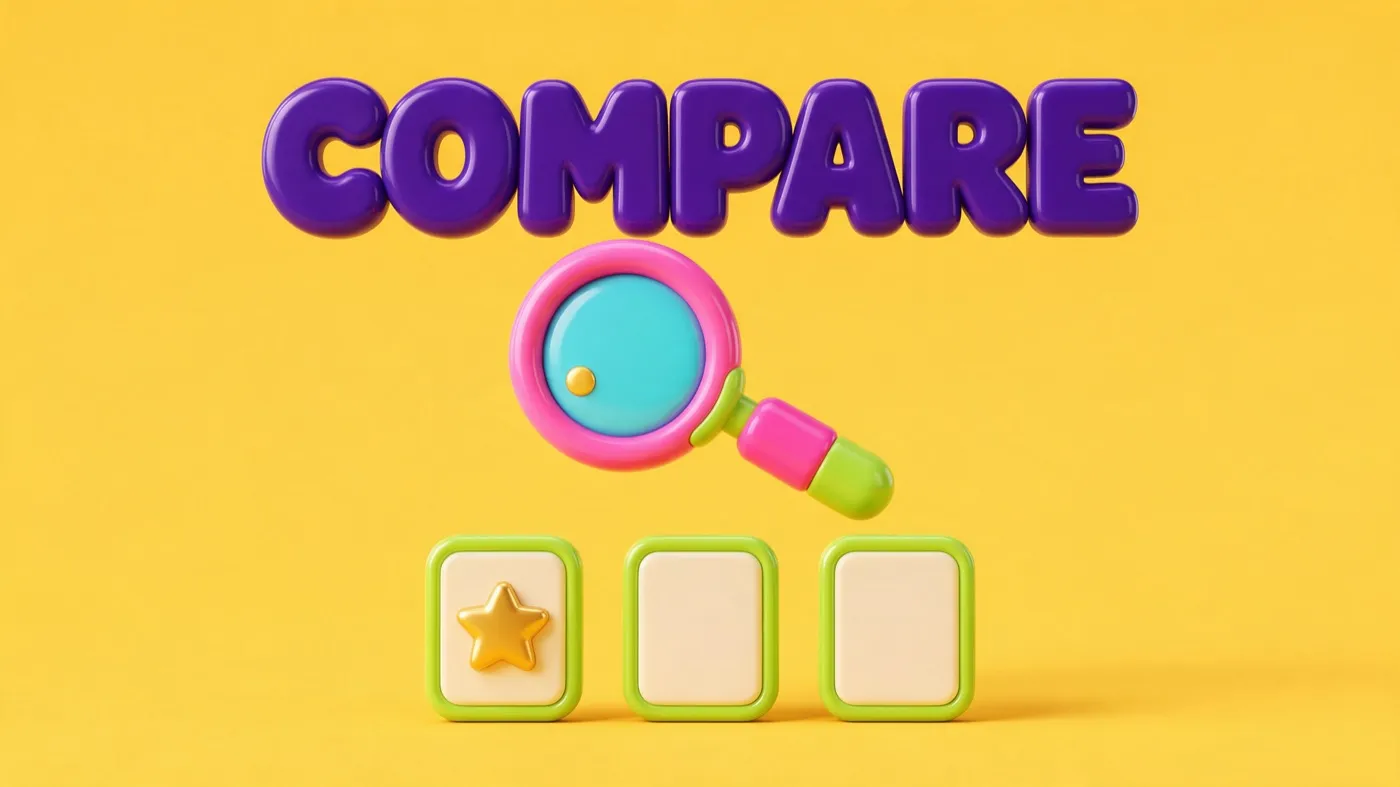 Compare real options side by side. A table is easy for a person to scan and for an AI to lift from.
Copy this skeleton:
QUICK VERDICT (2-3 sentences: best overall, best for small teams, best budget pick)

## Best [category] for [specific buyer] in [year]
Updated: [date] · By [name, role] · Disclosure: [we make option #X]

| Option | Best for | Starts at | Standout | Drawback |
|---|---|---|---|---|

## 1. [Option]: best for [situation]
Who it suits. Who should skip it. One honest drawback.

## How we picked these
[3 criteria, and what we tested or checked]

Once it's live, check whether it works: [track your share of LLM every week](/blog/share-of-llm-ai-visibility) and see how often AI names you.

## Frequently Asked Questions
### [Real question buyers ask]
Automate it ⚙️
The page isn’t the hard part. Keeping it fresh is, and that’s what the data says matters. So I’d give the monthly refresh to an AI agent. Any agent that can browse the web and run on a schedule will do: Claude, ChatGPT, Grok or Copilot Studio.
- Keep a simple list of your options and the pricing and features page for each, in a Google Sheet or a doc.
- Schedule the agent monthly. It visits every page on the list and reads what’s there today.
- It compares the fresh text with your table and reports only what changed: a price moved, a plan was renamed, a feature was added or dropped.
- It drafts the new table rows and the updated date, then sends them to you in Slack or email.
- You approve. Then the page is updated, and you ping IndexNow so search engines see the change.
The instruction to give it:
You maintain a "Best {{category}} for {{buyer}}" comparison page.
Every month, for each vendor on my list, open its pricing and features page.
Compare what you find with my current table row: {{current_row}}

Report only what has changed: price, plan names, key features, limits.
Use only what you can read on the vendor's own page. If you can't confirm something, write "UNVERIFIED".
Return a corrected table row in the same format, with the source link. Plain words, no hype.
Never publish anything. Send me the draft to approve.
The “never publish” line and the source links matter. A confidently wrong price on a “best of” page costs you the trust the page exists to build, so a human signs off every change.
 Put the refresh on a monthly schedule so the page never goes stale.
If you’d like this built, it sits squarely in my AI agent work. For the Google side of the same problem, read how to get quoted in AI Overviews.
Quick wins to try 🧪
- 🔍 Ask ChatGPT your own “best X for Y” question and write down which pages it links to.
- 📅 Add “Updated [month year]” to any comparison page you already have.
- 🧾 Add a one-line disclosure to every list where you’re included.
- ✍️ Rewrite one “great all-rounder” line into a “best for / skip if” line.
- 🤝 Email two vendors on your list and tell them they’re featured. Some will link back.
- 🤖 Check robots.txt isn’t blocking OpenAI’s crawlers from the page.
How to measure it 📊
- Citations: once a month, run your 10 target prompts in ChatGPT and record whether your page is linked.
- AI referral traffic: look for chatgpt.com in your analytics referrers.
- Leads from the page: form fills or calls booked that started on it.
Frequently Asked Questions
How do I get my website cited by ChatGPT?
Publish pages ChatGPT likes to quote: a direct verdict at the top, a comparison table, clear “best for” lines, a visible updated date and linked sources. Ahrefs found “best X” lists made up 43.8% of the page types ChatGPT cited in its study.
Do self-promotional “best of” lists work?
Sometimes, but the evidence is mixed. Peec AI found ChatGPT cited self-promotional listicles at only about 4% of its citations, against roughly 10-11% on Google AI Mode and Perplexity. An honest list that includes real alternatives is the safer bet.
How often should I update a best-of page?
Monthly is a good habit. In the Ahrefs sample, 26% of the lists had been updated within the previous two months, so recently refreshed pages are well represented.
Can I include my own product on the list?
Yes, if it genuinely fits. Say you make it, explain who it’s best for and who should skip it, and rank the others fairly.
Be the page you’d trust, then keep it fresh. That’s the whole trick.
Sam
If you want this built for you, book a call.
Keep reading: Once ChatGPT starts citing you, it will sometimes guess URLs that don’t exist. Here’s how to turn those 404s into leads. And before you publish anything, make sure your robots.txt isn’t turning the AI search bots away: which AI crawlers to allow and which to block.