Marketing Ops
My title test got 3 clicks. Here's how to A/B test on low traffic 🧪
A/B testing with low traffic works if you change the rules: test big swings, measure earlier steps, fix your sample size and keep a test log. Here's how.
Quick answer: A/B testing with low traffic works when you change the rules. Test big, bold changes instead of small tweaks, measure an earlier step (a click or a form start) instead of the final sale, decide your sample size before you start and don’t stop early, and keep a written log of every test. When the numbers still can’t give an answer, ask real buyers instead.
Quick test before we start 🤔
Your site gets 1,500 visitors a month. 2% of them fill in your form. You want to know if a new headline lifts that by 10%.
How long do you run the test?
Two weeks❌Two months❌About nine years✅
That’s not a typo. A 10% lift on a 2% form needs about 80,700 visitors per version. Two versions, 1,500 visitors a month: roughly nine years.
Here’s my own version of this problem. In October I renamed one of my blog posts in Google to match what people were searching. In the four weeks before, that page got 3 clicks. Three. You can’t A/B test three clicks. You can barely A/B test a sandwich with three bites.
So I learned to test a different way. Here’s what I do now.
 When your whole sample fits on a teaspoon.
The idea 💡
On a small site, don’t test small changes. Test big swings, earlier in the funnel, with the finish line written down before you start.
Why it works 🧠
Fewer people are reaching your site in the first place. Pew Research found Google users who saw an AI summary clicked a normal search result in 8% of visits, compared with 15% when no summary showed. Less traffic in means fewer test subjects.
Now the maths. I ran the standard sample size formula (95% confidence, 80% power, the same inputs you’d put into Evan Miller’s free calculator) for a page converting at 2%:
| Lift you want to detect | Visitors needed per version |
|---|---|
| 10% (2% → 2.2%) | about 80,700 |
| 50% (2% → 3%) | about 3,800 |
| 100% (2% → 4%) | about 1,100 |
Look at that drop. A small tweak needs eighty thousand visitors per version. A bold change needs a few thousand. Optimizely’s own guide for low-traffic sites makes the same point: the difference between proving a 5% lift and a 50% lift is major.
How to A/B test with low traffic ✍️
1. Swing big or don’t swing 🏏
Button colour? Forget it. Test things that could double a result: a different offer, a different headline promise, a form with 3 fields instead of 9, a free tool instead of a PDF.
What most do ❌ test five small tweaks and wait forever.
What I’d do ✅ test one change big enough that you’d be embarrassed if it did nothing.
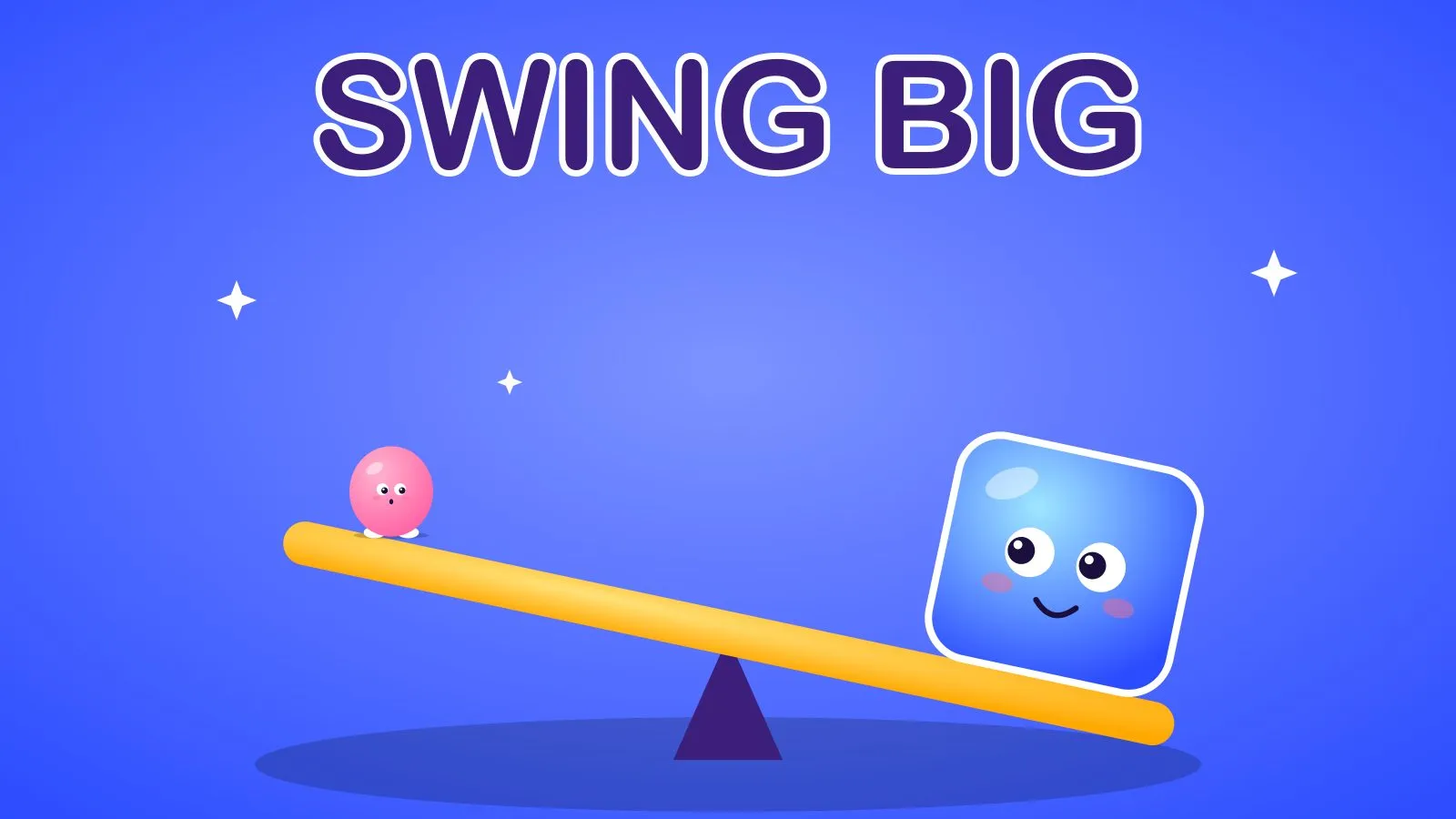 Big change, small sample. Small change, huge sample.
2. Measure the step before the sale 🪜
If 30 people a month fill in your form, a test on form fills will take ages. But 300 people might click the button that opens it. Optimizely suggests testing micro conversions to call results more quickly: clicks, scroll depth, form starts.
Pick the closest step that still has some volume.
3. Write the finish line down first 🏁
Decide your sample size and end date before you start. Then don’t peek and stop when it looks good. Evan Miller showed that if you peek at a test ten times, what you think is 1% significance is really 5%. Five times more false wins.
4. Pool your pages 🧺
One blog post gets 50 visits a month. Twenty posts get 1,000. Test a change across the whole template (a new call to action on every post, a quick answer on every service page) and you get a sample worth reading.
5. Log it, even when it’s a before and after 📒
Sometimes a real split test is impossible, like a page title in Google. Then run a clean before and after and write it down.
Here’s mine, with real Search Console numbers:
- Before (14 Sep to 11 Oct): 294 impressions, 3 clicks.
- After the rename (13 Oct to 21 Nov): 1,840 impressions, 8 clicks.
- The new search phrase, “ai deal finder”, went from 18 impressions to 874. With zero clicks.
Three clicks versus eight tells me nothing about click-through. But the impressions tell me a lot: Google now shows the page to people searching for a deal-finder tool, and they don’t want what’s on it. That’s an intent problem, not a title problem. My next test is a page that actually answers that search.
The log turned a “meh” into a next step. That’s the whole point.
Steal this test log:
Test name:
Date started:            Date it ends (fixed):
Page or pages:
What I changed (one big thing):
Why I think it will win:
Metric (closest step with volume):
Baseline (last 4 weeks):
Visitors needed per version:
Result:
What I learned:
Next test:
Automate it ⚙️
The log is where tests die. Nobody fills it in. So let a small AI agent do the boring bit.
 The agent fills in the log. You make the call.
- Keep the log in a spreadsheet, one row per test, with the start and end dates.
- A script runs every Monday (written with an AI coding tool, on a schedule). It pulls last week’s numbers for each live test from GA4 and Search Console.
- Code does the maths. It adds up visitors per version and checks them against the sample size you wrote down.
- AI writes one paragraph per test: where it’s at and what to watch. It never declares a winner before the end date.
- On the end date it emails you the result and asks for your “what I learned” line.
Prompt for step 4:
You are writing a weekly note on a website test.
Use ONLY the numbers provided. Do not invent or round them.

Return:
1. Days left and visitors so far vs the planned sample.
2. How each version is doing on the metric, in plain words.
3. If the planned sample is not reached, say "too early to call".
4. One thing to check this week (tracking, a broken link, a traffic spike).

Under 80 words. Plain Australian English.
This is the kind of AI agent I build for small teams: code counts, AI comments, a person decides. It’s the same split I use in my automated marketing report.
Quick wins to try 🧪
- 🔍 Open Search Console, sort pages by impressions, and find one with lots of impressions and almost no clicks. That’s your first test.
- ✂️ Cut your longest form in half and watch form starts.
- 🧲 Swap a PDF download for a small free tool and compare sign-ups.
- 🗣️ Ask five buyers “what nearly stopped you?” Five honest answers beat a test you can’t finish.
- 🏷️ Tag every test link with clean UTMs so the numbers don’t lie. My UTM naming rule helps.
How to measure it 📊
- Tests finished per quarter: finished means it reached its planned sample or its end date. Aim for one a month.
- Leading metric movement: clicks, form starts or impressions, depending on the step you chose.
- Decisions made: each test should end with a change kept, a change reverted, or a clear next test.
Your homework 📝
- Pick one page with real traffic.
- Write one big change for it.
- Fill in the test log, including the end date.
- Don’t look until that date. Seriously.
Frequently Asked Questions
How much traffic do you need for an A/B test?
It depends on your conversion rate and the size of change you want to detect. At a 2% conversion rate, spotting a 10% lift takes about 80,000 visitors per version, but spotting a 50% lift takes about 3,800. Bigger changes need far less traffic.
Can you A/B test with low traffic?
Yes, if you test bold changes, measure an earlier step with more volume (like clicks or form starts), pool similar pages together, and fix your sample size before you start. When even that isn’t enough, use a logged before and after test plus buyer interviews.
How long should an A/B test run on a small website?
Until it reaches the sample size you planned, and for at least one full business cycle, usually one to two weeks, so weekday and weekend visitors are both counted. Set the end date before you start and don’t stop early because one version looks ahead.
What should you A/B test first on a low-traffic site?
Start with changes that could double a result: the offer, the main headline promise, the number of form fields, or what you give away for an email. Small tweaks like button colour need traffic most small sites will never have.
Small traffic doesn’t mean small learning. It means you can’t afford to test small things.
Sam
If you want this built for you, book a call.
P.S. Before you close this tab, open Search Console and find your page with the most impressions and the fewest clicks. That’s your first test, and it costs nothing.