AI Automation
What an AI receptionist really costs in Australia (and the 1-week test that tells you if it pays) 📞
What an AI receptionist costs in Australia, what it can and can't do, and the one-week missed-call audit that tells you if it will pay for itself.
Quick answer: AI receptionist cost in Australia comes in two parts: a one-off build (the script, calendar and CRM connections, testing) and usage, which runs at roughly US$0.10 to US$0.15 a minute for a typical voice AI stack plus a few dollars a month for an Australian phone number. A business taking 1,000 minutes of calls a month pays around US$95 to US$140 in usage. Before you buy, count your missed calls for one week: that number tells you whether it pays for itself.
Here’s a number that should bother anyone who runs a small business. In Invoca’s 2026 lead conversion benchmarks, only 56% of callers to businesses got to speak with a person. That’s across more than 70 million tracked calls.
So for every ten people who rang ready to buy, four got voicemail, hold music, or nothing.
Most owners don’t know their own number. They know the phone “rings a lot” and that they’re “pretty good at calling back”. Then they look at the call log and go quiet.
That’s why I don’t start AI receptionist conversations with price. I start with a count.
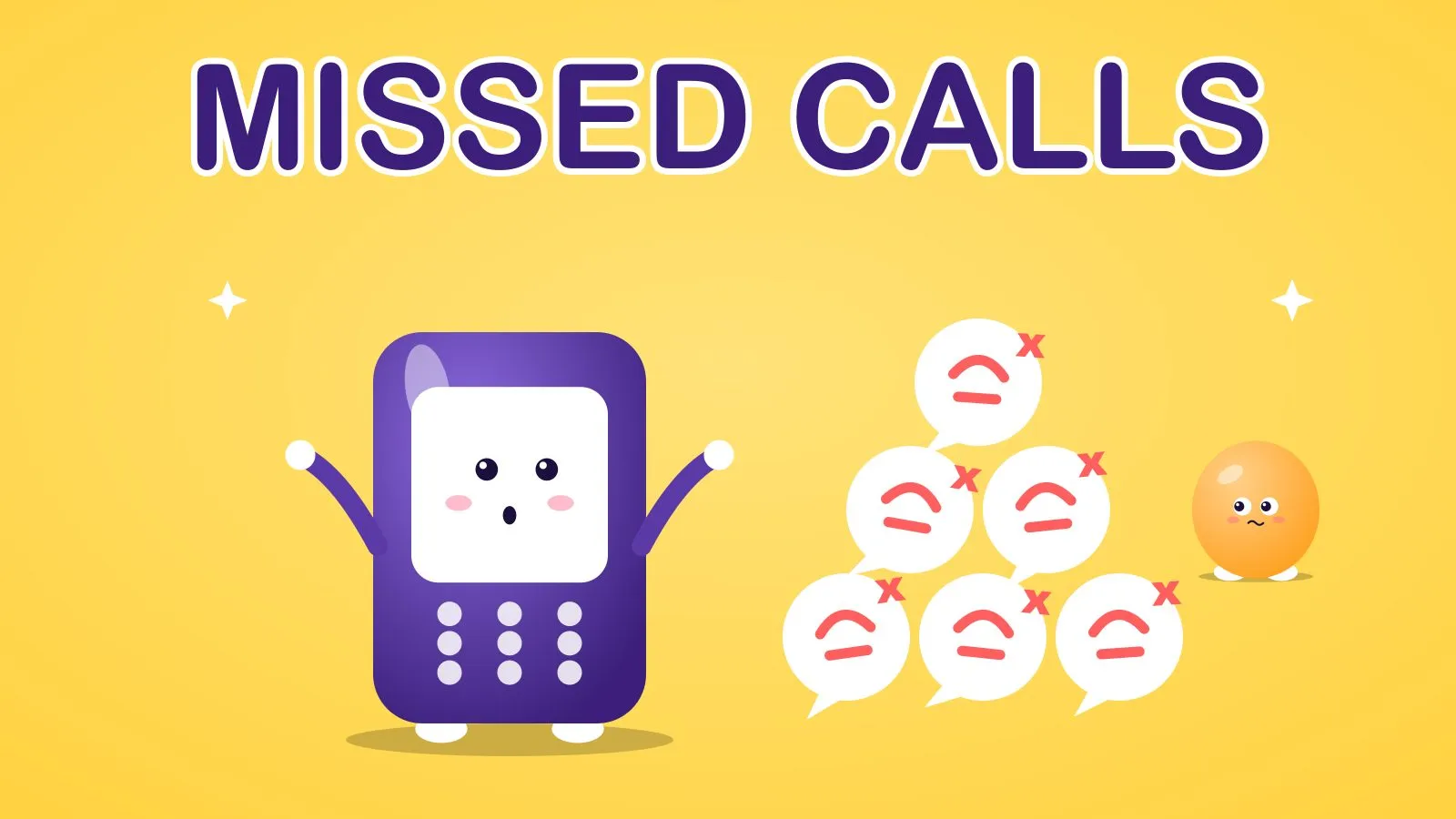 Every bubble is someone who rang and didn’t get you.
The idea 💡
Run a one-week missed-call audit, then price an AI receptionist against what those calls are worth.
Why it works 🧠
Because the cost of the tool is small and easy to know, and the cost of missed calls is big and usually invisible.
On the tool side, the numbers are public. Vapi, one of the platforms I build voice agents on, charges US$0.05 a minute for hosting, then passes through transcription, the AI model and the voice. Its own estimate for 1,000 minutes a month is US$82 to US$129. An Australian local number on Twilio is US$3 a month plus US$0.01 a minute for inbound calls.
On the people side, a receptionist in healthcare averages $54,266 a year in SEEK’s salary data (October 2026). That’s a good person doing far more than answering phones. An AI receptionist doesn’t replace them. It catches the calls they can’t get to: after hours, lunch breaks, two lines ringing at once.
AI receptionist cost in Australia: what you’re paying for
| Cost | What it covers | How it’s charged |
|---|---|---|
| Build | Script, guardrails, calendar and CRM connections, testing | One-off |
| Platform | Hosting the voice agent | Per minute |
| AI parts | Speech-to-text, the AI model, the voice | Per minute, varies by provider |
| Phone number | An Australian number callers can ring | Monthly plus per minute |
| Care | Script tweaks, checking transcripts | Monthly or as needed |
The two levers that move the bill most are minutes (how many calls, how long) and voice quality (premium voices cost more per minute). A clinic taking short booking calls and a B2B firm taking long discovery calls can land on very different numbers with the same set-up.
How to do it ✍️
- Count for one week. Pull your phone system’s call log, or tally on paper. Every inbound call: answered, missed, or voicemail. Note the time.
- Spot the pattern. Look for clusters: before 9am, lunch, after 5pm, Saturdays. That’s where the agent earns its keep.
- Price a missed call. Average job value × how often a booked call turns into a job. If you don’t know, start with the free speed-to-lead calculator.
- Do the sum. Missed calls a month × value of a call × a cautious share you’d win back. Compare it to the usage cost above plus the build.
- Start narrow. First job only: answer, ask three questions, book or take a message. Add more once the transcripts look good.
The audit sheet, ready to copy:
MISSED-CALL AUDIT (week of ____)
Day | Time | Answered / Missed / Voicemail | Called back? (Y/N, mins) | New enquiry? (Y/N)
TOTALS
Inbound calls: ___
Missed or voicemail: ___ (___%)
Missed new enquiries: ___
Average job value: $___
Share of booked calls that become jobs: ___%
Monthly missed value = missed new enquiries x 4.3 x job value x close rate = $___ If the missed value is bigger than the bill, the decision makes itself.
Automate it ⚙️
Once the audit says yes, here’s the simplest version I build:
- Number: an Australian number on Twilio, forwarded from your main line when nobody picks up within a few rings (or after hours).
- Agent: a Vapi voice agent with a short, approved script and a natural Australian voice.
- Actions: it checks your calendar and books the slot, or takes a message with the caller’s details.
- Logging: an n8n workflow saves the call summary and transcript to the contact in HubSpot (or your CRM) and pings you in Slack or by SMS.
- Guardrails: a time limit, topics it won’t touch, and an instant hand-off to a person for anything sensitive. The agent says it’s an AI assistant at the start of the call. Australia’s privacy regulator, the OAIC, expects public-facing AI tools to be clearly identified, and recording rules differ by state, so get the notice right.
The system prompt I start from:
You are the phone assistant for [Business], a [type of business] in [suburb].
Open with: "Hi, you've reached [Business]. I'm the AI assistant. How can I help?"
Your only jobs: answer questions from the FAQ below, book appointments,
or take a message (name, number, reason, best time to call).
Never quote prices beyond the FAQ, give medical, legal or financial advice,
or promise anything not in the FAQ.
If the caller is upset, asks for a person, or the topic is sensitive,
say you'll have someone call back today and end politely.
Keep replies under two sentences. Australian English.
FAQ: [paste]
Want to hear one first? The homepage has a “Get a call from my agent” button, and here’s how that demo call is built. When you’re ready, this is the AI receptionist set-up I do for Australian businesses.
Quick wins to try 🧪
- 📵 Turn on missed-call SMS today. A text back within a minute (“Sorry we missed you, book here”) saves some calls for free.
- 🕔 Cover after hours first. It’s the lowest-risk place to start, because nobody was answering anyway.
- 🎧 Read ten transcripts a week for the first month. It’s the fastest way to fix the script.
- 🧾 Keep the FAQ short. Ten questions answered well beats fifty answered badly.
- ⚡ Pair it with fast follow-up. The call is only the start. Here’s why speed to lead decides deals.
How to measure it 📊
- Answer rate: calls answered by a person or the agent, out of all inbound. Compare it to your audit week.
- Bookings from the agent: appointments it booked, per week.
- Hand-off rate: how often it passes to a person. Very high means the script needs work; zero may mean it’s not handing over when it should.
Frequently Asked Questions
How much does an AI receptionist cost in Australia?
You pay a one-off build and then usage. Usage for a typical voice AI stack is around US$0.08 to US$0.13 a minute on the platform, plus a phone number from about US$3 a month and US$0.01 a minute inbound. At 1,000 minutes a month that’s roughly US$95 to US$140.
Can an AI receptionist book appointments?
Yes. Connected to your calendar, it can check availability, book the slot and send a confirmation. It can also log the call to your CRM and alert you.
Do I have to tell callers they’re talking to AI?
You should. The OAIC expects public-facing AI tools to be clearly identified, and call recording consent rules vary by state. A one-line opener (“I’m the AI assistant”) covers it.
Is an AI receptionist better than a virtual receptionist service?
They do different jobs. A virtual receptionist is a person answering for you; an AI receptionist answers instantly at any hour for much less per call. Many businesses use the AI for after hours and overflow, and people for the rest.
Count the calls for a week. The answer is usually sitting in your call log.
Sam
If you want this built for you, book a call.